A property manager looks after a rental property on the owner’s behalf. They help set the rent, market the property and select tenants, prepare the tenancy agreement, lodge the bond, collect and monitor rent, carry out inspections, coordinate maintenance, manage tenancy compliance, and handle the tenancy when it comes to an end.
Put another way, you keep the property and the important decisions that come with it. Someone else handles the calls, deals with the day-to-day issues, keeps up with tenancy law and makes sure the rent is paid.
If you have never used a property manager before, the real question is what you are actually paying them to do. This page walks through the tenancy from start to finish, explains what a property manager takes care of, what still sits with you as the owner, and how property management fees are typically structured.
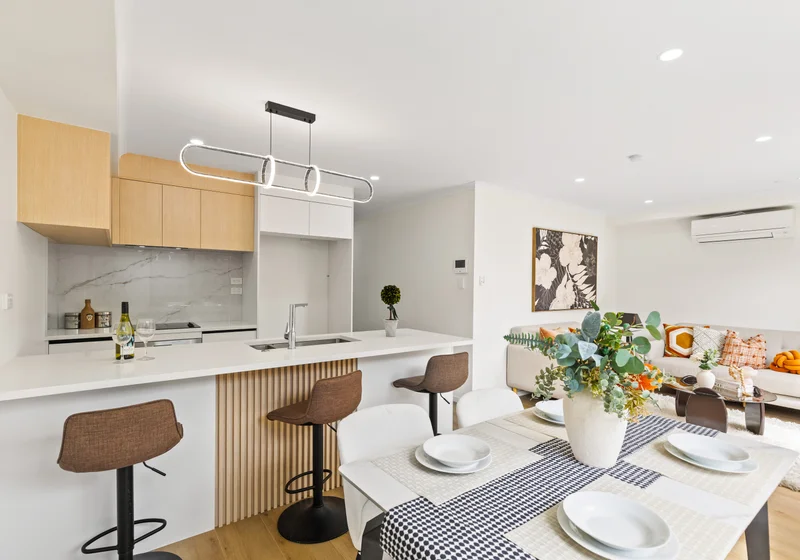
A tenancy starts well before the property is advertised and does not finish until the tenants have moved out and the tenancy has been closed off. This is what happens along the way, whether you own one rental or several.
Before the property is advertised, we assess it against comparable rentals in the local market, taking into account its location, condition, parking, features and current tenant demand. You receive a realistic rental range and the reasoning behind it, so you understand how the figure has been reached.
We help identify anything that should be addressed before going to market, then prepare the advertising, write the listing and get the property in front of prospective tenants. Where needed, we can also arrange professional photography or other marketing.
Prospective tenants view the property along with the property manager before applying, so they have an opportunity to make sure it is right for them. Applications are then carefully reviewed, including identity, income and affordability, rental history, references, credit and relevant background checks.
We assess the complete application rather than simply taking the first one received, then present the strongest applicants to you along with our recommendation. The final decision is yours.
Once a tenant has been selected, the tenancy agreement is prepared and signed. Any requirements specific to the property are documented from the outset, such as responsibility for grounds, pets, water supply, sheds or other areas included with the tenancy.
Getting these details clear at the beginning helps avoid confusion later.
The bond is collected and lodged with Tenancy Services as per the legal requirement in the RTA 1986. When the tenancy ends, we also manage the bond refund process and deal with any issues that need to be resolved before it is released.
Before the tenant moves in, the condition of the property is recorded in detail, supported by photographs. This creates a clear record of how the property was presented at the beginning of the tenancy and provides an important reference when the tenant eventually moves out.
Rent is collected and monitored throughout the tenancy. If a tenant falls behind, we follow up promptly and manage the appropriate arrears process.
Where an issue cannot be resolved, we can prepare and lodge a Tenancy Tribunal application and manage the matter through the appropriate process.
Routine inspections are carried out throughout the tenancy with the required notice provided to tenants. After each inspection, you receive a report and photographs showing how the property is being cared for and highlighting any maintenance or other issues requiring attention.
Regular inspections also help identify smaller maintenance issues before they become more significant problems.
When maintenance is required, we coordinate suitable tradespeople and keep you informed. An agreed approval limit allows smaller jobs to be dealt with promptly, while larger or non-urgent work can be referred to you for approval.
Urgent maintenance is assessed and dealt with as required, helping protect your tenants and your property.
Throughout the tenancy, we maintain the relevant property and tenancy records, including compliance documentation, inspection reports and the rent ledger. We can also review the rent against the current market and manage any increase in accordance with the requirements of the Residential Tenancies Act.
When the tenancy comes to an end, we manage the notice process, carry out the final inspection against the entry condition report, address any outstanding issues and complete the bond refund process.
Good property management takes care of most of the day-to-day work of owning a rental, but there are some things that still sit with you or your other professional advisers.
You receive regular owner statements and an end-of-financial-year summary, but how your property is owned, financed and taxed is a conversation for your accountant or financial adviser. Where specialist legal advice is required beyond normal tenancy management, that belongs with a lawyer.
Property management is not a substitute for insurance. It is up to you to make sure your property has the appropriate cover, including any landlord-specific protection you require.
If your insurer has particular requirements around inspections or record keeping, let us know so these can be taken into account when managing your property.
We arrange maintenance, coordinate tradespeople and follow the work through, but the cost of repairing, maintaining and keeping the property compliant remains with the owner. Costs and invoices are clearly recorded so you can see what has been spent on your property.
It is still your property. Decisions such as the rent your property goes to market at, which applicant is offered the tenancy, approval of larger maintenance costs and whether to sell remain with you.
Our job is to give you the information, market knowledge and professional recommendation you need to make those decisions, then take care of the work that follows.
Property management fees are usually made up of a management fee, a letting fee when a new tenancy is secured, and any additional or third-party costs that arise while managing the property.
The management fee is charged as a percentage of rent collected and deducted from your owner statement. Depending on the agency, services such as inspections, administration, advertising or Tribunal applications may either be included in that fee or charged separately. A letting fee may also apply when a new tenancy is secured, covering the work involved in advertising the property, holding viewings, processing applications and setting up the tenancy.
This is why the percentage alone does not tell you what property management will actually cost. When comparing agencies, look at what is included in the management fee, what attracts an additional charge, and what you are likely to pay over the course of a normal tenancy.
With Nexus Property Management, routine property inspections, monthly administration, end-of-financial-year tax summaries and Tenancy Tribunal applications are included in our management fee.
Our full fee structure is explained on our property management fees page, and your individual fee schedule is confirmed in writing with your free rental appraisal before you sign anything.
A lot of property management can look like administration until something goes wrong. Bond records, entry condition reports, Healthy Homes documentation, correctly issued notices, inspection reports and photographs: none of it feels urgent while a tenancy is going well, and all of it is what you are asked for when one goes wrong.
New Zealand residential tenancies are governed by the Residential Tenancies Act 1986 and other laws and requirements, including the Healthy Homes standards. Keeping on top of what applies, following the correct processes and maintaining accurate records is an important part of managing a rental property.
Our job is to understand the requirements that apply to your tenancy, explain what needs to be done, follow the right process and keep clear records throughout. If an issue does end up at the Tenancy Tribunal, the documentation is there to support you.
More common questions about owning and managing a rental are covered in our landlord FAQs.

Not every owner does. If you live near the property, have time during working hours, are comfortable with the Act and do not mind a direct conversation about unpaid rent, self management can work perfectly well, and we will say so if that is what we think.
It works less well when the property is in another town, when the owners are a family or a trust with several people to consult, or when the thought of chasing arrears is enough to put you off doing it. That is where a tenancy drifts, and drift is what costs money.
What you are buying from a manager is the process rather than the goodwill: screening done the same way every time, inspections that actually happen, arrears followed up in writing on the day they appear, and someone who has read the Act recently. The Nexus team brings over 50 years of combined experience to that, and works across the Waikato from our office in Hamilton. If you already have a manager, our switching property managers page sets out what a handover involves. You can also see how we manage properties across the Waikato, or start with property management in Hamilton.
What managing a rental in Hamilton involves, and the suburbs we cover across the Waikato.
What managing a rental in Cambridge involves, and the suburbs we cover across the Waipa district.
What managing a rental in Morrinsville involves, and the suburbs we cover across the Matamata-Piako district.
What managing a rental in Te Awamutu involves, and the suburbs we cover across the Waipa district.
What managing a rental in Huntly involves, and the suburbs we cover across the Waikato district.
What managing a rental in Ngaruawahia involves, and the suburbs we cover across the Waikato district.
What managing a rental in Te Kauwhata involves, and the suburbs we cover across the north Waikato.
A property manager runs a rental property on the owner’s behalf. They appraise and set the rent, market the property and hold viewings, screen and reference applicants, prepare the tenancy agreement, lodge the bond with Tenancy Services, complete the entry condition report, collect rent and follow up arrears, carry out routine inspections with photo reports, arrange maintenance, keep the property compliant with the Residential Tenancies Act and the Healthy Homes standards, review the rent, and handle the end of the tenancy and the bond refund.
The landlord owns the property and carries the legal and financial responsibility for it. The property manager is engaged by the landlord to run the tenancy day to day and acts as the point of contact for the tenants. The big decisions, including which tenant is accepted and what rent the property is listed at, stay with the owner.
Less than you might expect, but you are not out of it entirely. You approve the tenant, set the rent and set a maintenance approval limit, and anything above that limit comes to you for a decision. Beyond that you receive inspection reports and statements, and you are contacted when something needs your call.
Rent is monitored so arrears are noticed straight away, and the tenant is contacted in writing following the process the Residential Tenancies Act sets out. If it is not resolved, the manager files the matter with the Tenancy Tribunal on your behalf and represents you through it. Acting early is what stops a small arrears problem becoming a large one.
It depends on where the property is, how much time you have during working hours, and how comfortable you are with tenancy law and with a direct conversation about unpaid rent. If you live nearby and enjoy the process, you may not need one. If the property is in another town, or is owned by a family or a trust, having someone run it to the same process every time is usually what earns the fee back.
Yes. From the handover date the tenants pay rent to the manager and contact the manager about maintenance, inspections and anything else about the property. That is much of the value for owners who would rather not be phoned at night, and tenants generally prefer having a named person and a proper process too.


