If you let a residential property, the Healthy Homes standards set the minimum it has to reach for heating, insulation, ventilation, moisture ingress and drainage, and draught stopping. Most landlords know roughly what that means. Far fewer could say how their own property would be assessed today.
This page is general information, not legal advice. Tenancy Services, part of the Ministry of Business, Innovation and Employment, publishes the current standards, timeframes and requirements at tenancy.govt.nz, and they change from time to time. Check there before you act, or ask us. We do not quote measurements, dates or figures here, because compliance detail that is out of date is worse than none at all.
Concerned with whether the main living room can be warmed on a cold Waikato night by a fixed heater, not something a tenant plugs into an extension cord. An unheated living room is where damp and illness start. You are thinking about what is installed, whether it is a type the standard accepts, whether it is big enough for the room, and whether it still works.
Concerned with keeping heat inside the building rather than losing it through the ceiling and the floor, because heating an uninsulated house is money burned and a cold house stays damp. What matters is what is present, its condition, and whether it meets the requirement rather than simply existing. Older insulation sags and gets disturbed in the roof space.
Concerned with getting moist air out of the rooms that create it and fresh air into the rooms people live in. Cooking, showering and drying washing put water into the air, and water that cannot escape ends up in the walls as mould. In practice that means openable windows, and kitchen and bathroom extraction venting outside the building rather than into the ceiling cavity.
Concerned with keeping ground water and rain away from the building, and stopping moisture rising into it from underneath, because a house sitting in wet ground cannot be dried out from the inside however well it is heated. Check guttering, downpipes and where they discharge, the fall of the ground around the house, and any ground moisture barrier under a suspended floor.
Concerned with the gaps that let heated air out and cold air in, and with unused open fireplaces, because the other standards are undone by a house that leaks air faster than it can be warmed. Look for gaps around windows and external doors, holes left by old fittings, and any fireplace no longer in use. It is the cheapest standard to put right and the easiest to overlook.
The specific requirements attached to each standard are deliberately not repeated here. Tenancy Services publishes the current detail at tenancy.govt.nz.
Meeting the standards is one obligation. Being able to show that you meet them is a separate one, and it is the one landlords are most often caught out by. The compliance statement records how the property measures against each standard, and it belongs with the tenancy agreement, not in a drawer at home.
The evidence behind it matters just as much. Invoices, installer records, photographs and inspection reports are what make a statement defensible. If a tenant complains, the question is not what you believed, it is what you can produce. A statement inherited from a previous owner is only as good as the records behind it.

A tenant who believes the property does not meet the standards can raise it, first with the landlord or manager and then, if it is not resolved, with the Tenancy Tribunal, which can order work done and can order financial penalties against the landlord.
We are not publishing penalty amounts, because they sit in legislation that changes and a stale number is a false comfort. The shape of the risk does not change: it is not waived because the property is otherwise well kept, and it falls on the owner. The current position is published by Tenancy Services. Our tenant information page sets out what we tell tenants.
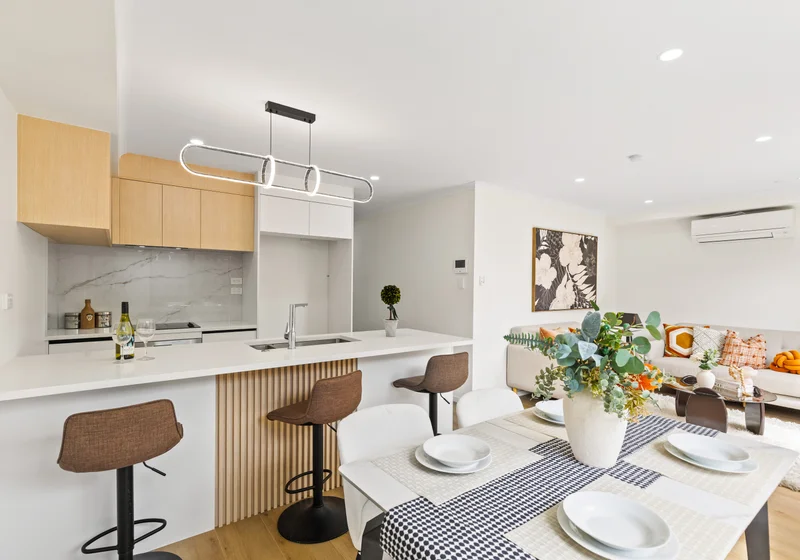
We assess the property against the standards, tell you plainly what is required, and hold the compliance statement on file with the tenancy. That happens when we take the property on, not after a tenant moves in.
Any work the property needs is quoted separately from management and stays your decision. What management includes and what is charged on top is on our fees page.
After that, routine work catches problems early. Inspections come back as written reports with photographs, and a failed extractor fan or blocked downpipe shows up there. Maintenance is arranged to an approval limit you set, so small items get dealt with rather than waiting.

The standards are national, but what they cost you is local. A brick and tile unit in Hamilton is usually a heating and ventilation conversation. A character home in Cambridge is more often underfloor insulation and draughts. A lifestyle property near Te Awamutu or an older house in Morrinsville brings drainage into it.
To know where your property stands, the first step is a look through it. Ask during a free rental appraisal and compliance is covered alongside the rent. More of what Waikato landlords ask is answered in our landlord FAQs.
Not sure what your property needs? Call the Nexus office on 07 839 2222 and ask for a property manager.

They apply to residential tenancies, so if you are letting under the Residential Tenancies Act, work on the basis that they apply to you. Whether the property already meets them depends on its age, construction and what has been done to it. Tenancy Services publishes who they apply to.
No. A recently built house usually meets the standards comfortably, but compliance still has to be assessed and recorded. A new build takes less work to bring into line, not less paperwork.
The owner does. Compliance work is a cost of letting the property and cannot be passed to the tenant or taken out of the bond. We quote it separately from management so the cost and the decision stay yours.
It records how the property measures against each standard and what has been done to meet them, and it belongs with the tenancy agreement. The form it takes is published by Tenancy Services and has changed over the years, so a statement copied from an old file may not stand today.
Ask who assesses the property, whether the assessment is written down, who holds the compliance statement, how the work is quoted, and what happens if something covered by the standards fails mid tenancy. A manager who cannot answer those clearly will hand you the problem later.


