Most advice about buying a rental is written from the buyer's side of the table. This page is written from the other side, by the people who will have to let the property and keep it compliant afterwards.
A property manager notices different things than a buyer does. Not the splashback, but whether the shower is sealed. Not the view, but whether a second car fits on the drive.
Nothing here is investment, lending or tax advice. If you are looking at something in Hamilton, Cambridge, Morrinsville or Te Awamutu, send it to us before you go unconditional.
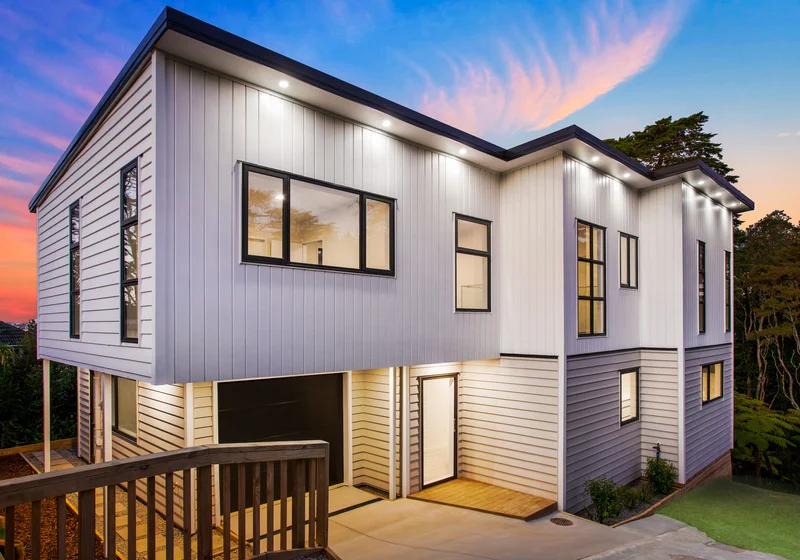
The difference between a property you can let now and one that needs a builder first. Ask the vendor for the compliance records and read them properly.
Heating in the main living area is one of the standard categories. We also look at how the rest of the house behaves, because cold rooms off unheated hallways become condensation and complaints later.
Extractor fans that work, windows that open, and where the water goes when it rains. A wet subfloor, or a section falling back towards the house, is something tenants raise every winter.
Bedroom count changes the tenant, not just the rent. Smaller homes tend to suit couples and single tenants, larger ones families who often stay longer.
Off street parking is one of the things tenants ask about most. Check how many cars actually fit. Shared driveways and cross leases need reading carefully, because access becomes ours to manage.
A securely fenced yard opens the property to tenants with pets and to families with young children. Whether you allow pets is your call, but a property that could not hold one has decided for you already.
These two rooms decide how a property shows, and they cost the most to put right. We look for surfaces that clean up and a shower sealed rather than patched.
Someone has to mow, clear the gutters and keep the hedges off the neighbour, and the tenancy agreement has to say who. Trees, retaining walls and pools all add standing work.
A school within walking distance, an easy run to work, a bus route and a supermarket nearby all widen the pool of people who will consider the property.
A rental appraisal is a written view of what a property could reasonably let for, based on what comparable properties in the same area are letting for, adjusted for condition, heating and parking.
It is not a registered valuation, not a view of what the property is worth to buy, not a builder's report, and not a guarantee of what a particular tenant will pay.
The time to ask is while your conditions are still in place, when the answer can still change your decision. Call the office and talk it through with a property manager who lets in that street, and once the property is yours we will put a written appraisal and our fee schedule in front of you. See also property management fees and, if this is your first rental, first time landlords.
Looking at something now? Call 07 839 2222 and ask what it would let for. If you already own a rental, book a free rental appraisal.
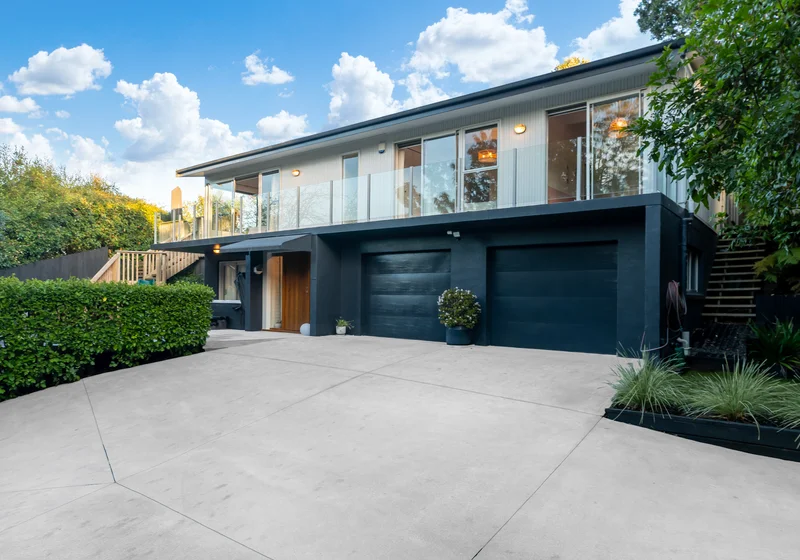
The Healthy Homes standards cover heating, insulation, ventilation, moisture ingress and drainage, and draught stopping. Tenancy Services is the authority on what is required and when, and worth reading rather than what you are told at an open home.
A property where the work is done and documented is one you can let. One where nobody can produce a record is an unknown cost, and possibly a delay before your first tenancy starts.
Better to know before you buy than when we assess the property. We tell you what we see, and the decision stays yours.
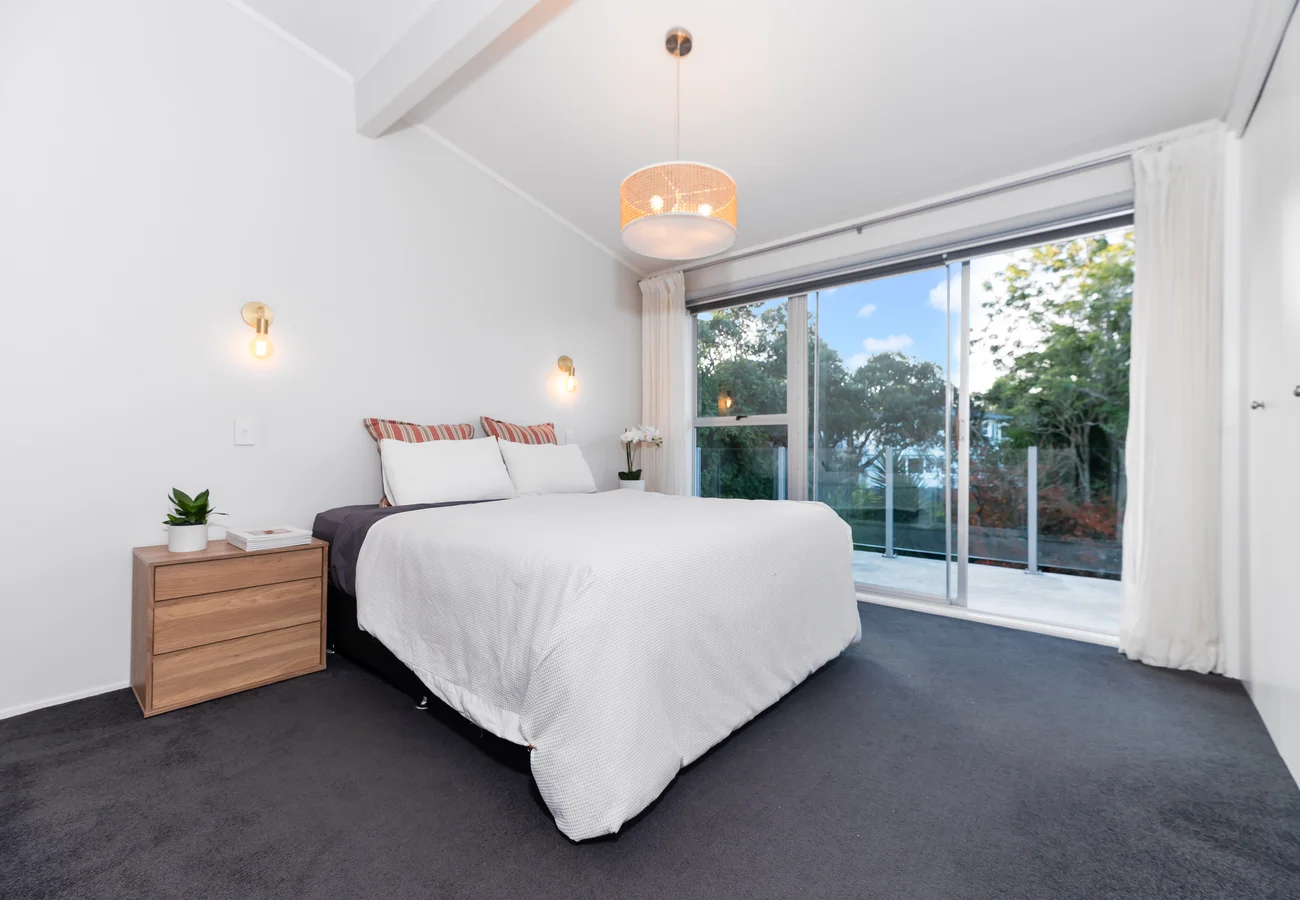
The widest mix of tenants of the four, from students and single professionals near the centre to families in the northern subdivisions. Parking is asked about most in the older streets. See property management in Hamilton.
Character homes near the town centre, new build townhouses and lifestyle blocks on the edge of town, each letting to a different household. On a lifestyle property, settle early who maintains the grounds and any outbuildings. See property management in Cambridge.
Demand comes from local families and people working in the surrounding dairy and service industries. Practical, well kept homes with room for a work vehicle and a shed suit that market. See property management in Morrinsville.
Older family homes, newer units and lifestyle properties in the town and the villages around it. Many owners live elsewhere, so the question is what needs a person on site. See property management in Te Awamutu.
A new build is usually easy to keep compliant and light on maintenance, and it shows well without any work from you. Read the rules attached to it: covenants and body corporate rules can limit pets, parking and storage.
An older home usually gives more space and a bigger section, and a wider pool of tenants who want that. In return the roof, the wiring and the wet areas all have a life, and the section carries standing work.
Neither is better as a rental. Be honest about which kind of ownership you want, and budget for that one.
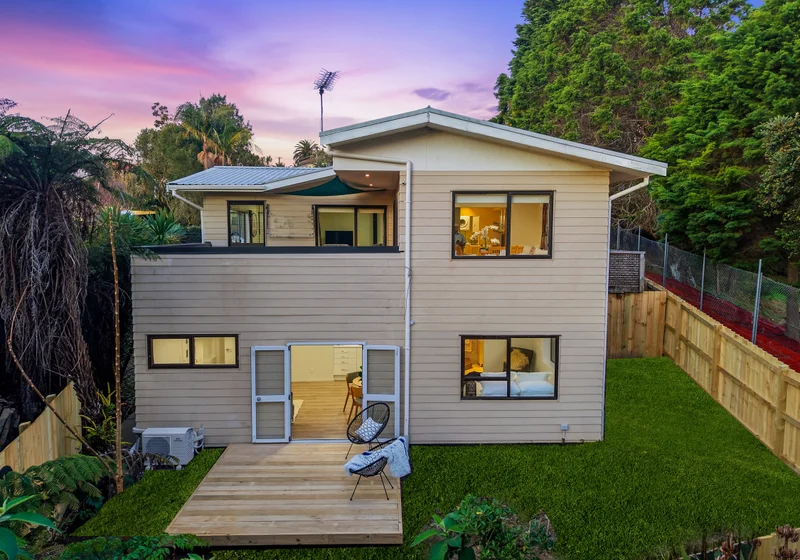
Warm and dry, a working kitchen and bathroom, off street parking and a yard that can be used. Nothing on that list is glamorous. The hardest to let are the cold and damp ones, or the ones that suit only one very particular household.
Which is the better investment is a question for your accountant and your bank. From a management point of view, new builds are usually easy to keep compliant, but covenants can limit pets, parking and storage. Older homes give more space and ask more in maintenance.
The standards cover heating, insulation, ventilation, moisture ingress and drainage, and draught stopping. Whether a property meets them depends on its age and what has been done to it, and the timing is set by law. Tenancy Services is the authority.
We can appraise a property you do not yet own, and it is free. We look at what comparable properties nearby are actually letting for and adjust for condition, heating and parking. It is our opinion rather than a guarantee.
Your call, and worth making deliberately. Allowing pets widens the pool of people who apply, and pet owners often stay longer because moving is harder for them. At the point of buying, the question is simply whether the property could hold one.


