Whether you have just settled on your first rental or are about to let a house you have lived in for years, the same thing is true from the day someone pays you rent: you are running a small business with legal obligations attached.
Most of what goes wrong for first time landlords goes wrong before the tenant moves in, in the paperwork nobody enjoys. Get that right and the rest is largely routine. Here is what has to be in place, what catches people out, and how to decide whether to manage the property yourself.
If you would rather talk it through, call 07 839 2222 and ask for a property manager.

The standards cover heating, insulation, ventilation, moisture ingress and drainage, and draught stopping, and a statement about them belongs with the tenancy agreement. Tenancy Services publishes the current requirements. We assess the property, tell you what is needed and hold the statement on file.
Standard house cover is written for an owner occupier. Many policies will not respond to loss of rent or deliberate tenant damage without a landlord extension, so tell your insurer before the tenancy starts. If the policy asks for inspections at a set frequency, tell us and we will manage to it.
The record of how the property looked on the day the tenancy began, room by room. Without it, and without dated photographs, you cannot show later that damage was already there. It decides most bond disputes, and it is the document first time landlords most often rush.
A bond is not yours to hold. It is lodged with Tenancy Services for the life of the tenancy, and there are rules about how much may be taken and how soon it must be lodged. We lodge it and handle any claim at the end.
A written agreement is required, and the detail matters: who mows the lawns, whether pets are allowed, who maintains a septic system or a water tank, fixed term or periodic. Anything left unwritten is an argument waiting to happen.
Working smoke alarms are a legal requirement in every rental, and the obligation sits with the owner rather than the tenant. There are rules about the type of alarm and where they go. Check what Tenancy Services requires before a tenant moves in, not after.
Rent is set by what comparable properties nearby are actually letting for, adjusted for condition, heating, parking and how quickly you want it tenanted. A mortgage repayment is not a rent appraisal. Ask for a free rental appraisal and look at the comparables yourself.
Some owners want to approve every repair, others want to be told once a month and left alone. Both work, but decide before the tenancy starts. If you use a manager, set a maintenance approval limit so small jobs are fixed quickly and larger ones come to you with a quote.
An empty property is uncomfortable and the first applicant is tempting. Screening for identity, income, rental history and a credit and Tenancy Tribunal check exists for exactly that moment. A poorly chosen tenant costs more than a few extra weeks of marketing.
The law applies the same way whether the tenant is a stranger or your nephew. No agreement, no bond and no condition report means that if it sours you have nothing to rely on, and a relationship on the line as well.
Rent that is slightly late becomes rent badly behind quicker than owners expect, and the Residential Tenancies Act sets out a process to follow in order. Arrears chased in writing the moment they appear are usually resolved. Arrears left out of politeness often are not.
A dripping tap, a blocked gutter, a fan that no longer clears the bathroom. Each is cheap now and expensive later, and a tenant who watches small requests get ignored stops reporting the large ones.
A low percentage with charges attached to everything else is not a saving. Compare what is included, how often the property is inspected and what happens when something goes wrong. Our fees page sets out what is covered and what is charged separately.
Letting your own home is not the same experience as buying an investment, even though the law treats them identically. A house that was comfortable to live in is not automatically one that meets the Healthy Homes standards, and the heating, ventilation or insulation may need work first.
The other adjustment is how you decide things. Presentation, rent and repairs get settled on what lets the property well rather than on personal taste, and a manager who never lived there is the easier person to have that conversation with. Our tenant information page covers what your tenants will be told about bond, rent, inspections and ending a tenancy.
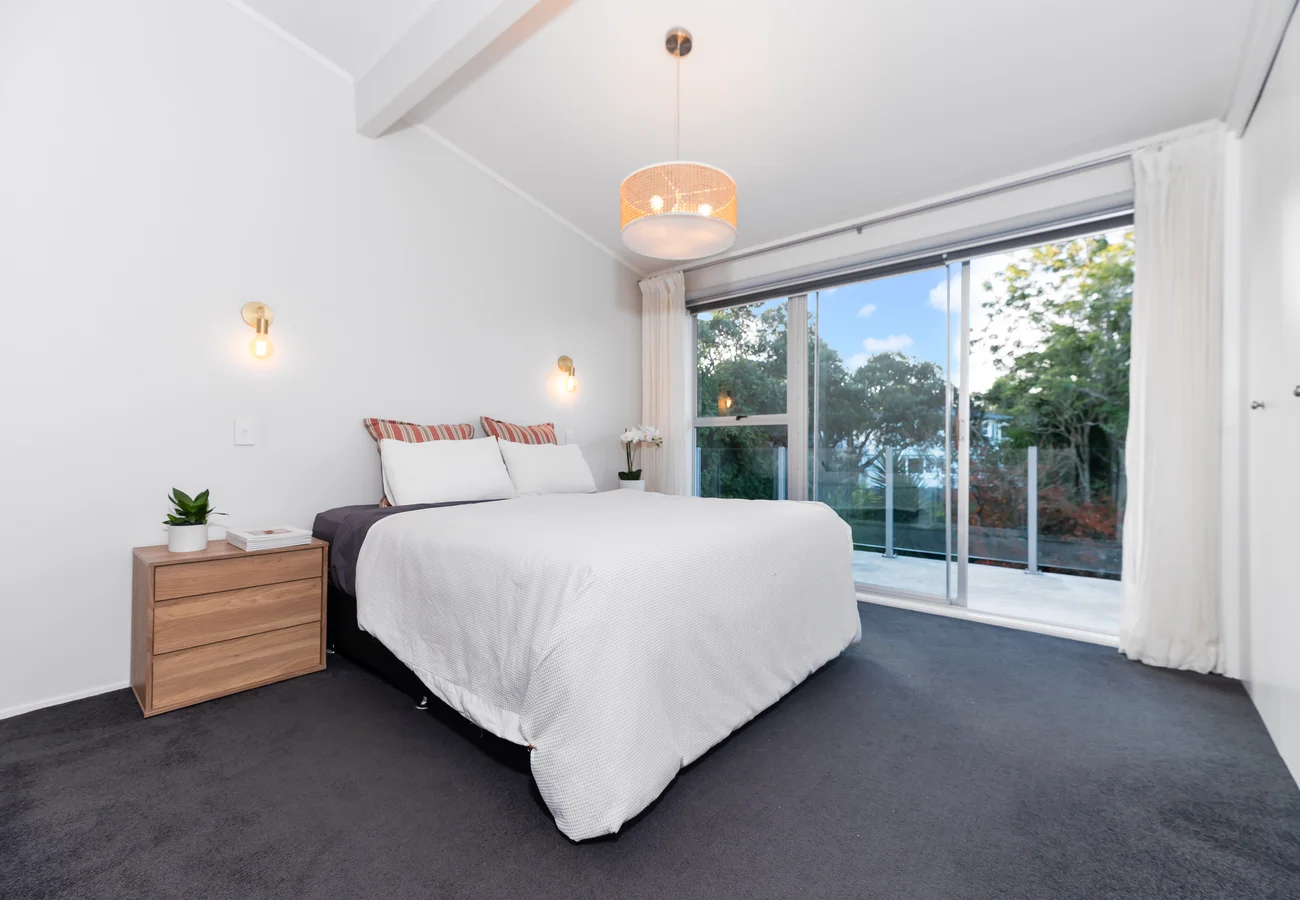
Self management suits owners who live close by, have time during working hours and do not mind a direct conversation about unpaid rent. If that describes you, you may not need us, and we will say so. It suits people less well when the property is in another town, when the owners are a family or a trust with several people to consult, or when chasing arrears is the job you would avoid. That is where a tenancy quietly drifts, and drift is what costs money.
What you buy from a manager is the process rather than the goodwill: screening done the same way every time, inspections that actually happen, arrears followed up in writing on the day they appear. The Nexus team brings over 50 years of combined experience to that, working across the Waikato from our office in Hamilton. There is more in our landlord FAQs and on the fees page.
What a first rental looks like depends on where it is. A townhouse near the university lets to a different tenant than a family home in Cambridge or a lifestyle block on the edge of it, and the rent and the agreement follow from that.
Letting a property in Hamilton, and the suburbs we cover across the Waikato.
Letting a property in Cambridge, and the suburbs we cover across the Waipa district.
Letting a property in Morrinsville, and the suburbs we cover across the Matamata-Piako district.
Letting a property in Te Awamutu, and the suburbs we cover across the Waipa district.
Letting a property in Huntly, and the suburbs we cover across the Waikato district.
Letting a property in Ngaruawahia, and the suburbs we cover across the Waikato district.
Letting a property in Te Kauwhata, and the suburbs we cover across the north Waikato.
Not sure whether your property is in our patch? Call 07 839 2222 and we will tell you straight.
A written tenancy agreement, working smoke alarms, a Healthy Homes compliance statement, insurance that covers a tenancy rather than an owner occupier, and a thorough entry condition report with photographs. The bond is lodged with Tenancy Services, which publishes the current requirements for each of these.
The legal obligations are identical. What differs is the emotional side. The standards apply however happily the house suited you, so be ready to hear that work is needed and to decide on the numbers rather than on attachment.
You can, and plenty of Waikato landlords do. It suits owners who live near the property, have time during working hours, and are comfortable with the Residential Tenancies Act and with a direct conversation about unpaid rent.
Nothing you are barred from doing. The difference is that it is our full time job: marketing and viewings, screening, the agreement and the bond, rent and arrears, inspections with photo reports, maintenance through trades we know, and the Tribunal if it comes to that.
From comparable properties in the same part of town, not from your mortgage. A free rental appraisal shows what similar properties are letting for and what would let yours faster, whether that is presentation, timing or the rent itself.
Give them one clear point of contact and a way to report maintenance that does not depend on catching someone by phone. Tenants who know how to report a problem report it early, which is what you want.


